How to pick a sales engagement platform in 2026
A sales engagement platform is the cockpit a rep works from all day: multichannel cadences, a dialer, task queues, and the logging that keeps the CRM honest. The job it does is execution, making sure 30 reps run the same playbook instead of freelancing. The best ones reduce the number of tabs and decisions between "I should follow up" and the follow-up actually going out.
In 2026 the deciding factor is how cleanly the platform fits the rest of your stack. Cadence data, call outcomes, and reply signals are some of the richest data a GTM team has, so a platform with a documented API and webhook support lets you feed that into forecasting, coaching, and agents. A closed platform traps it. That is why AI-stack fit moves the ranking even in a category that is not, on the surface, about AI.
What CR Buddy weighted
Chief Revenue Buddy scored each platform on four things: the depth and flexibility of its cadence and dialer workflow, how well it scales from a small team to an org, real pricing across the tier ladder, and the depth of its API and agent support. The ranking leads with editorial score and uses AI-stack fit as the tie-breaker.
The short version
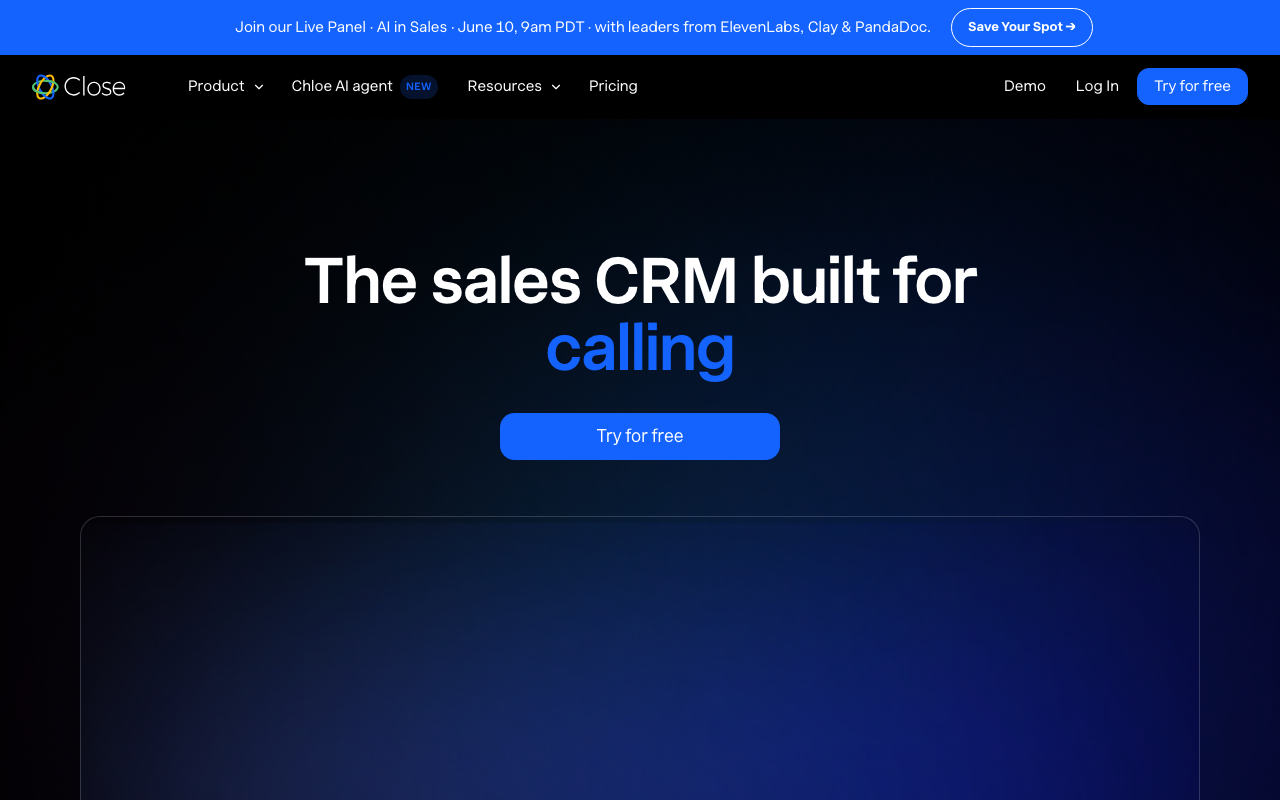
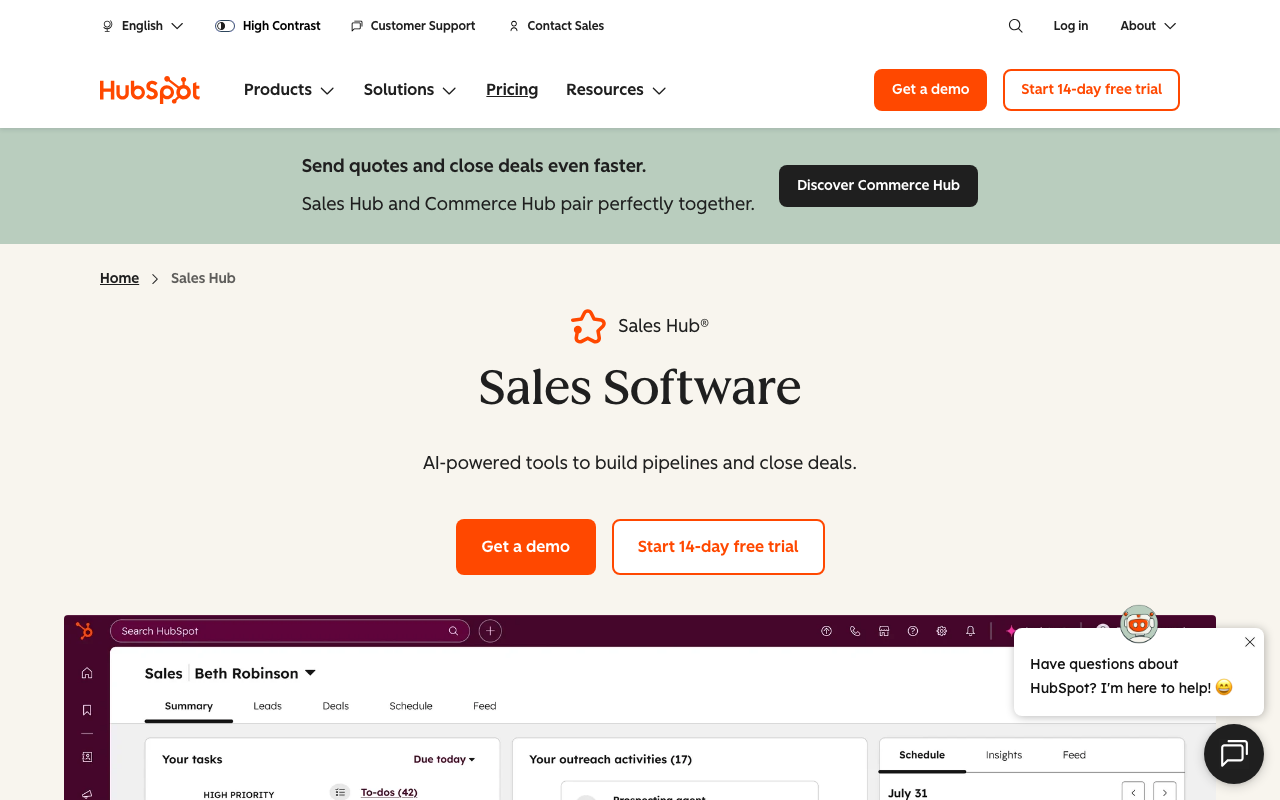
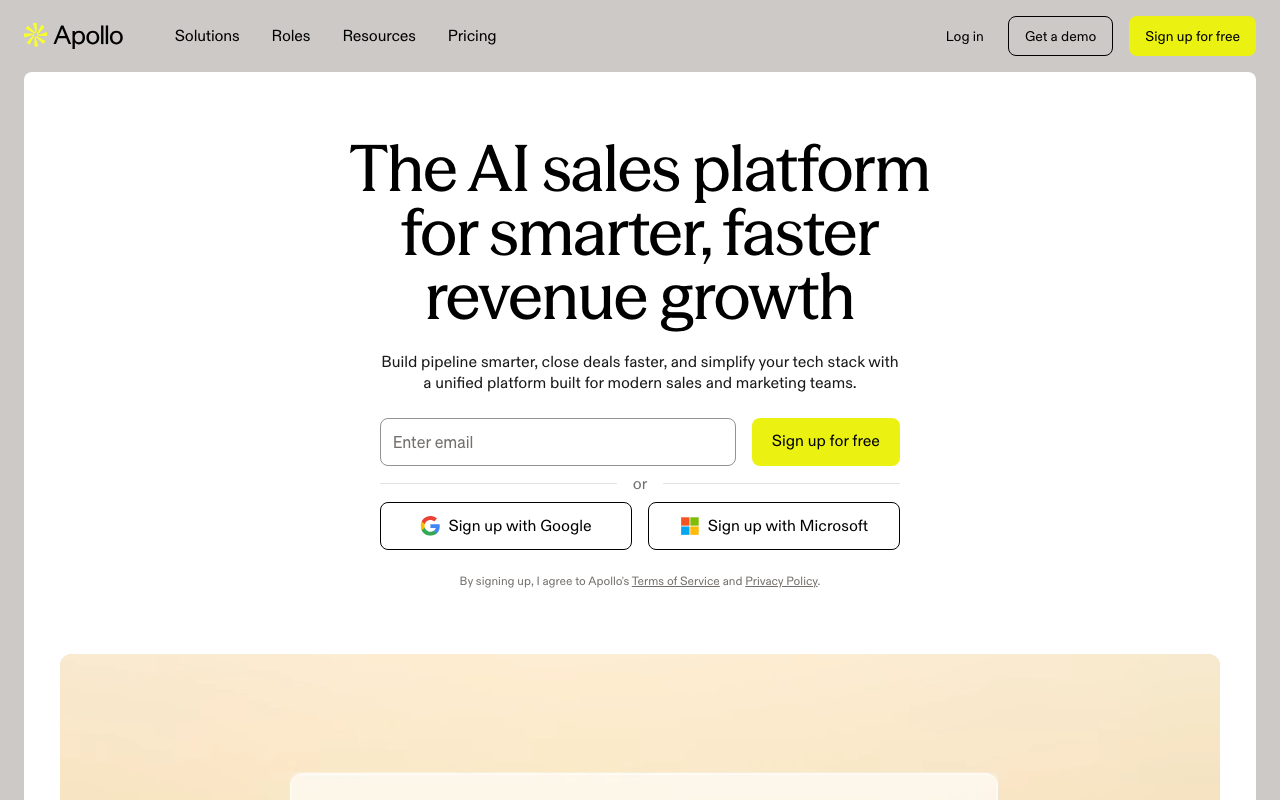
Close is the pick for SMB and inside-sales teams that live on the phone, with calling, SMS, and email in one fast tab. HubSpot Sales Hub is the safe all-in-one with the biggest ecosystem, as long as you watch the bill as seats and add-ons grow. Apollo.io bundles engagement with its own database, which is strong value for founders and small teams that want both in one tool.
Enterprise orgs running disciplined cadences should also weigh Outreach and Salesloft, the two heavyweights built for scale and governance.